
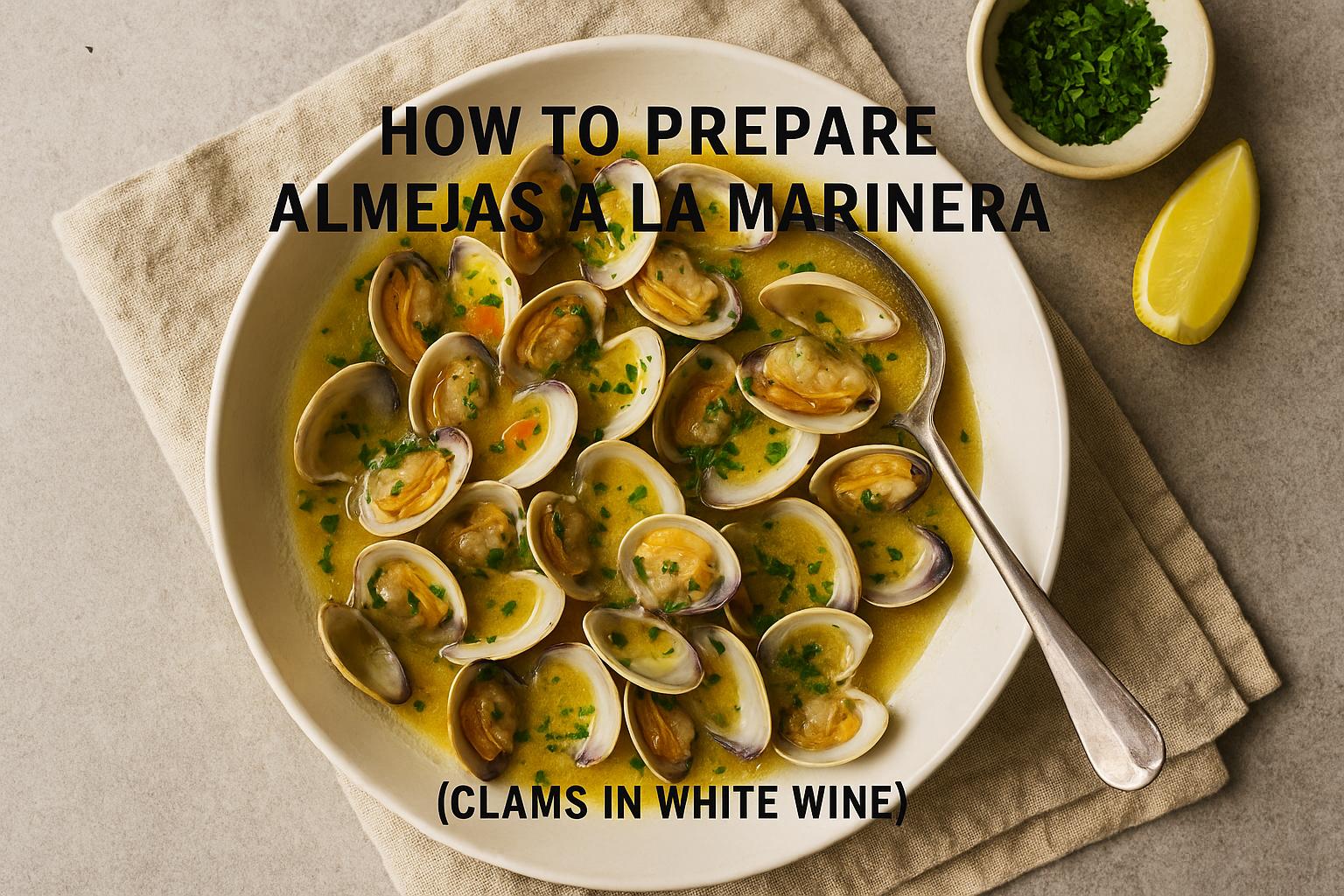
The dish known as almejas a la marinera serves as a quintessential example of the simplicity and depth of flavor found in Mediterranean cuisine. Originating from the coastal regions of Spain, this dish stands as a tribute to the sea, featuring fresh clams cooked in a fragrant white wine sauce. The term “marinera” translates to “sailor-style” or “mariner’s way,” reflecting the maritime roots that influence this culinary delight. It is a straightforward yet elegant dish that captures the essence of the region’s culinary heritage, and it is widely appreciated by seafood enthusiasts. Below is a detailed guide on how to prepare this delicate seafood dish at home, ensuring you capture the authentic flavors of the Mediterranean in your kitchen.
Before diving into the cooking process, it’s beneficial to gain a deeper understanding of what makes almejas a la marinera so special. This dish is traditionally linked to Spain’s culinary practices along its extensive coastline. The simplicity of the ingredients mirrors the minimalistic approach often seen in Mediterranean cooking, where the natural flavors of the primary components are allowed to shine through. Clams are both nutritious and flavorful, offering a taste of the ocean that pairs beautifully with the tangy and aromatic qualities of white wine. The sauce in which the clams are cooked not only complements their brininess but enhances it with a blend of garlic, onion, and parsley, drawing on familiar yet powerful flavors that are staples in the region’s cooking practices.
To create a dish that truly embodies the spirit of Spanish cuisine, careful selection of ingredients is needed. When preparing almejas a la marinera, ensure you source the freshest clams possible, as their quality significantly influences the outcome of this recipe.
The first step in crafting almejas a la marinera is to ensure your clams are properly prepared. Begin by soaking them in cold, salted water for approximately an hour. This soaking process is crucial as it helps the clams expel sand and grit. After the soak, rinse the clams multiple times under cold running water to remove any residual impurities. It is important to discard any clams that remain open after rinsing, as these are likely dead and unsuitable for consumption.
With the clams clean, you can now turn your attention to preparing the base of the dish. Heat olive oil in a large pan over medium heat. Introduce the finely chopped onions and garlic into the pan, allowing them to sauté until the onions turn translucent and the garlic releases its fragrant aroma. Add the bay leaf into the pan at this stage, enabling its subtle flavor to infuse into the oil, setting a complex and earthy tone for the dish.
Next, it’s time to achieve the perfect consistency for your sauce. Sprinkle the flour over the onion and garlic mixture, stirring to ensure it combines evenly. Allow the flour to cook for about a minute. This step is essential as it eliminates the raw flour taste and begins the process of thickening the sauce. The result should be a fragrant mixture that forms a light paste coating the onions and garlic without being overly heavy.
Pour the white wine into the pan with the aromatic base and let the mixture simmer for about 3 to 4 minutes. During this time, the wine should reduce slightly, concentrating its flavors and blending with the other ingredients. The combination of wine, onions, and garlic forms a rich and tangy sauce, providing a perfect counterpart to the briny notes of the clams.
With the sauce ready, it’s time to introduce the star ingredient—clams. Add them to the pan, ensuring they are evenly dispersed throughout the sauce. Cover the pan with a lid and cook over medium heat. Within 5 to 7 minutes, the clams should open, indicating they are cooked. Should any clams remain closed after the cooking time, discard them as they may not be safe to eat. This careful selection ensures the dish remains both safe and enjoyable.
Once the clams are perfectly cooked, the dish is ready for the final touches. Sprinkle the chopped parsley generously over the clams, stirring gently to combine the fresh herb with the rest of the ingredients. Taste the dish and adjust the seasoning with salt and pepper to your preference, allowing the natural flavors to shine through. Serve the almejas a la marinera immediately, ideally accompanied by crusty bread. The bread is essential for mopping up the remaining flavorful sauce, offering an indulgent and satisfying experience.
In conclusion, almejas a la marinera offers an authentic representation of the Mediterranean’s culinary richness—it’s quick to prepare and rich in flavor, highlighting the appeal and simplicity that characterizes Spanish coastal cuisine. By following these detailed steps, you can bring the taste of the sea to your dining table, delighting guests and family alike with this traditional dish. For more seafood recipes or further exploration into Spanish cuisine, consider delving into resources curated by culinary experts available through reputable food blogs.