
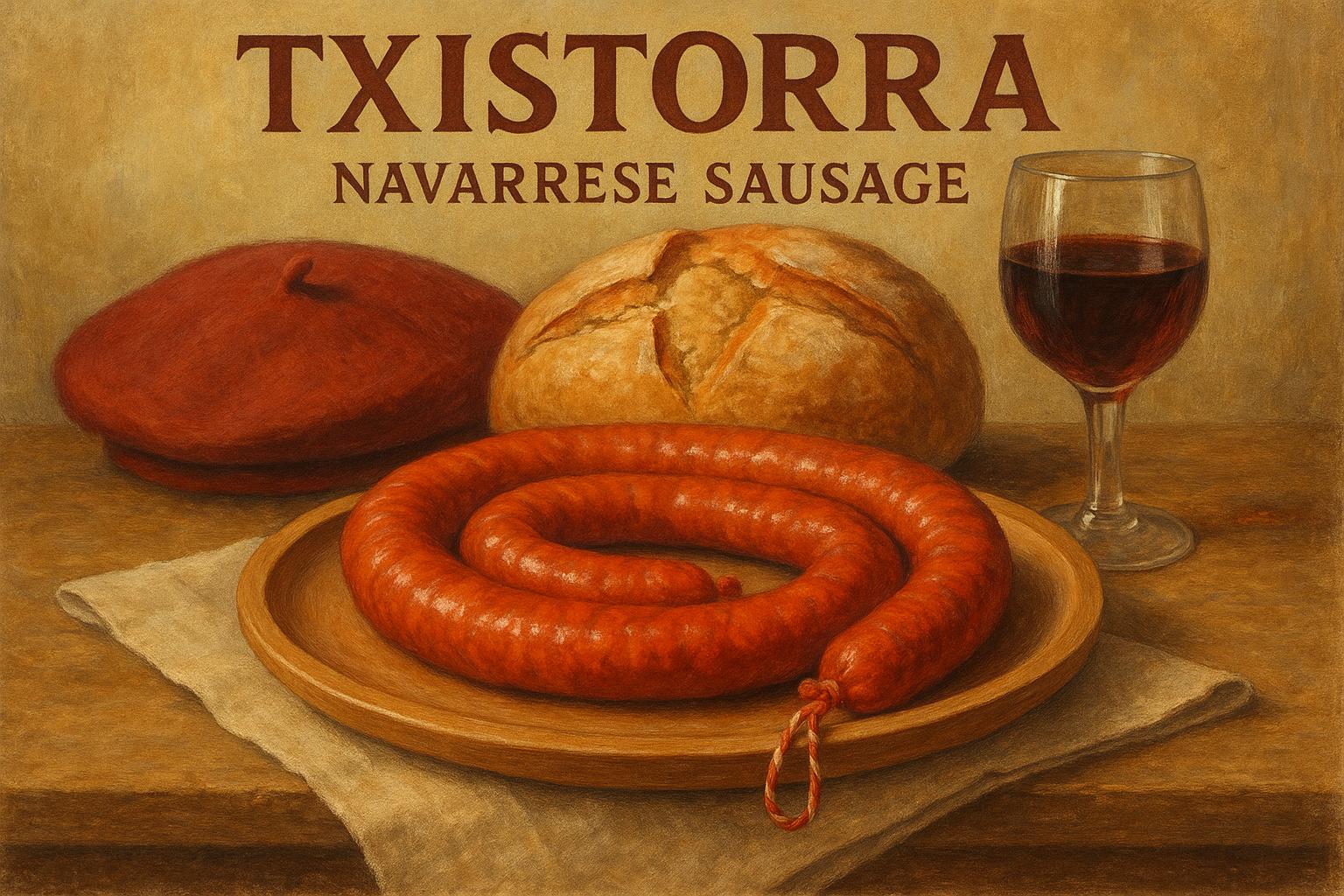
Txistorra, a traditional Navarrese sausage, plays a vital role in Spanish gastronomy, particularly in the regions of Navarre and the Basque Country. This culinary delight is more than just a food item; it is a cultural emblem that reflects regional identity, culinary heritage, and social customs.
The origins of txistorra can be traced back to the ancient practice of preserving meat. This sausage is closely associated with the slaughtering festival known as txerriboda or hog-killing, where communities gather to prepare meats for preservation over the winter months. This tradition underscores the communal aspect of meat processing and highlights the importance of sausage-making in cultural continuity.
The txerriboda is not merely a practical event but a sociocultural ritual that reconnects the community with its agrarian roots. This festivity involves the entire community, with family and friends participating in various tasks ranging from the actual slaughtering to the preparation of meats. It represents a time-honored tradition that has been passed down through generations.
Txistorra is made primarily from ground pork, seasoned with paprika and garlic, and stuffed into natural casings. This sausage is known for its reddish hue, which comes from the liberal use of paprika. The recipe might vary slightly across households or regions, reflecting local tastes and available ingredients. The process of making txistorra is an important cultural practice, often involving family members working together, thereby strengthening communal bonds.
The ingredients used in txistorra are simple, yet their quality is pivotal. The use of locally sourced pork ensures that the sausage retains its traditional taste and texture. Paprika, which is key to its characteristic color and flavor, is another element treated with utmost importance. Garlic, too, is carefully selected, providing a subtle yet effective aromatic undertone. The preparation of txistorra involves grinding the pork to the desired consistency, mixing it thoroughly with the spices, and stuffing the mixture into casings, a process that requires both skill and patience.
Typically, txistorra is consumed as a main feature in various traditional dishes, such as pintxos, or small tapas-style servings, and it is often grilled or fried. It is a staple in festive gatherings, public celebrations, and various communal events, making it integral to social and cultural occasions. Public barbecue events, such as those held during local festivals, feature txistorra prominently, fostering community interaction and shared experiences.
This sausage is not only a culinary staple but also a social glue, bringing people together in different settings. During local festivals, it is common to see people gathered in public squares, savoring the taste of freshly cooked txistorra. In family gatherings, meals featuring txistorra become a centerpiece, often accompanied by stories, laughter, and music, creating a sense of belonging and festivity.
Beyond its culinary appeal, txistorra serves as a symbol of regional pride. It embodies the values of community, hospitality, and tradition. The production and enjoyment of this sausage are deeply ingrained in local customs, and it remains a favorite among both locals and tourists who seek an authentic Navarrese culinary experience.
As a symbol of Navarre and the Basque Country, txistorra carries with it the essence of regional identity. It is celebrated in cultural festivals, where it serves as a testimonial to centuries-old traditions that have survived modern culinary trends. This sausage is not just about flavor; it’s about preserving a way of life that values community ties and cultural heritage.
For more detailed information on Navarrese foods and culinary practices, consider visiting local gastronomy sites or regional cultural heritage platforms to gain deeper insights into what makes txistorra such an esteemed component of Navarre’s and the Basque Country’s cultural identity.
Understanding txistorra is understanding a piece of Navarrese life. It teaches the significance of small community gatherings over grand celebrations, the importance of family bonds through shared productivity, and the value of preserving tradition in a rapidly evolving world. Preparing and enjoying txistorra is a homage to intimate, enduring ties among families and communities in Navarre and the Basque region.
In a broader sense, txistorra serves as an entry point to the rich tapestry of Navarrese culture, inviting culinary enthusiasts to explore beyond the dish itself. By participating in the traditional making or simply offering this dish in festive situations, those unfamiliar with it can become part of ongoing cultural exchanges that solidify txistorra‘s role as more than food – as a cultural and historical testament to the community’s vitality.