
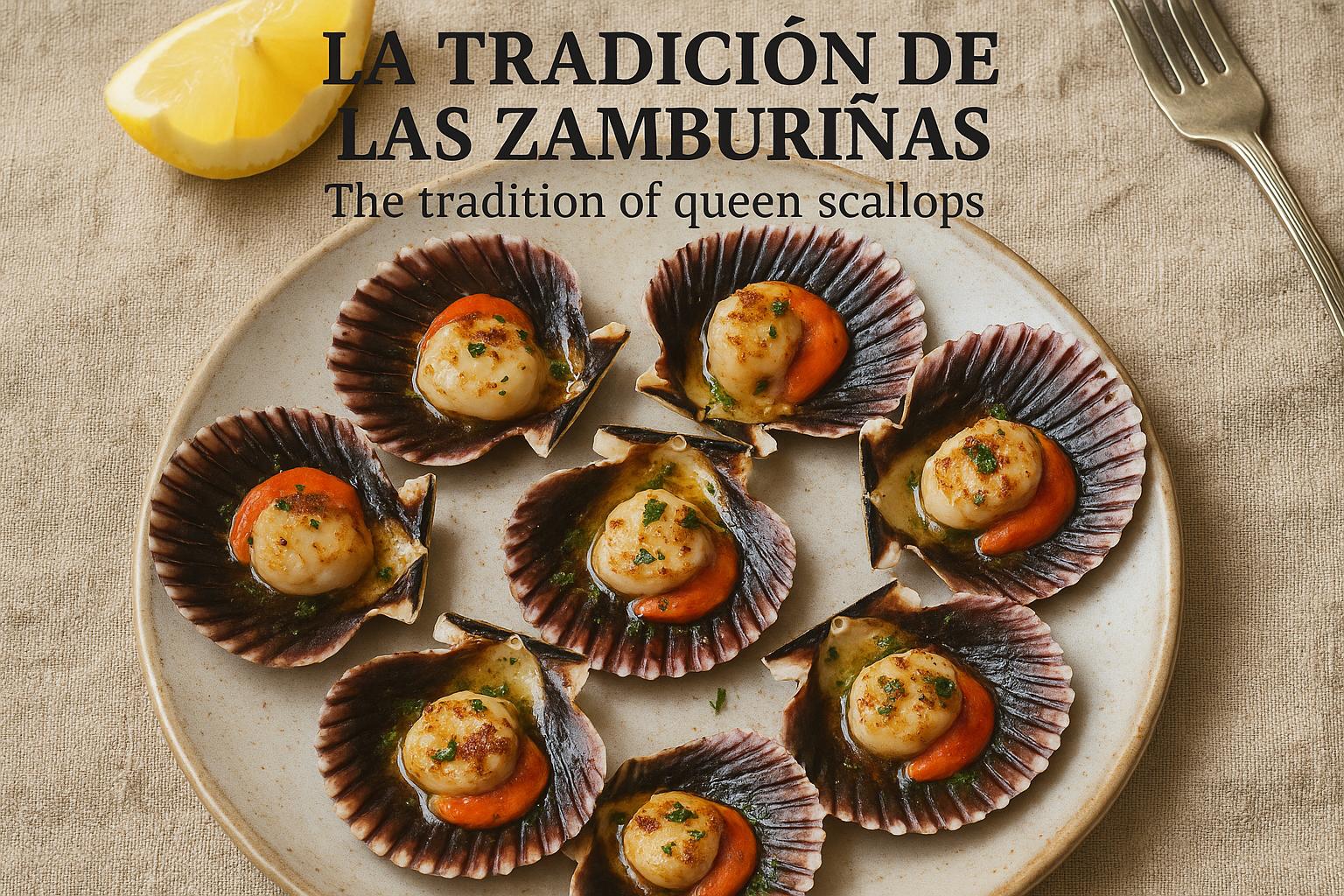
Zamburiñas, known as queen scallops, are a valued delicacy found in the coastal regions of Spain, particularly in Galicia. These small scallops are renowned for their sweet flavor and tender texture, making them a sought-after ingredient in various seafood dishes. In this article, we will explore the tradition surrounding zamburiñas, from their harvesting to culinary uses and cultural significance.
The traditional method of harvesting zamburiñas involves local fishermen who utilize small boats to reach the regions where these scallops thrive. Typically, they are found in shallow waters, embedded in the sandy seabed. Fishermen use rakes to delicately extract them, ensuring minimal environmental impact. This method is not only designed to preserve the quality of the scallops but also to maintain the sustainability of the marine ecosystem. By minimizing the disturbance to the seabed, the unique habitat in which these scallops grow is protected for future harvests.
The harvesting season for zamburiñas usually spans from October to March. This period is meticulously chosen to align with the scallops’ natural lifecycle, allowing them to mature and reproduce before being collected in significant quantities. During this period, local authorities impose regulations on fishing activities to maintain stock levels and guarantee that future generations can continue to enjoy these precious marine resources. Fishermen must comply with strict quotas and size requirements, which are enforced through regular inspections and surveillance. Such measures are essential in preventing overfishing and ensuring the long-term sustainability of zamburiñas, contributing to a balanced marine ecosystem.
In Spanish cuisine, zamburiñas are celebrated for their versatility. They can be prepared in a variety of ways, each method highlighting their delicate flavor. The most traditional preparation involves grilling or searing them with a touch of garlic and parsley, which enhances their natural sweetness. The combination of these aromatic ingredients with the scallops’ inherent tenderness creates a dish that’s simple yet deeply satisfying.
Many traditional Spanish dishes feature zamburiñas as a key ingredient. For instance, the popular dish ‘zamburiñas a la plancha’ showcases the scallops simply grilled with a drizzle of olive oil, allowing their flavors to shine. This straightforward preparation is a testament to the saying “less is more,” focusing on the quality of the ingredients over complex cooking techniques. Additionally, zamburiñas are often included in paellas, adding an extra dimension of taste to this iconic Spanish dish. The succulent morsels of scallops contribute both visual appeal and flavor complexity, elevating the overall dining experience. For those interested in culinary exploration, numerous Spanish recipes highlight creative ways to enjoy these scallops, from tapas to ceviche, demonstrating their adaptability in various culinary traditions.
Apart from their culinary appeal, zamburiñas are also noted for their nutritional benefits. They are a rich source of lean protein, providing essential amino acids required for muscle repair and growth. Moreover, they contain essential minerals such as magnesium and potassium, which are vital for numerous bodily functions, including nerve transmission and muscle contraction. Zamburiñas boast a low fat content, making them an excellent choice for those looking to enjoy healthy meals without compromising on taste. Their nutritional profile supports a balanced diet, catering to health-conscious individuals who appreciate both flavor and nutritional value.
Zamburiñas hold cultural importance in Galicia and other coastal regions of Spain. They are not only a prized ingredient in local recipes but also play a central role in seasonal festivals. These festivals celebrate the harvest of the scallops, offering both locals and tourists a chance to enjoy freshly prepared dishes in a convivial atmosphere. Through these events, the community preserves its heritage and promotes the cultural significance of zamburiñas. Festivals typically feature culinary competitions, live music, and showcases of traditional Galician dances, creating a vibrant tableau of local culture.
The role of zamburiñas extends beyond culinary enjoyment. Their harvest and sale provide economic support for coastal communities, sustaining livelihoods for fishermen, market vendors, and restaurateurs. These communities often build their identity around the sea and its bountiful offerings, with zamburiñas serving as a cornerstone of their economic wellbeing. The festivals also draw in tourism, boosting local economies during the off-peak season.
The tradition of zamburiñas in Spain intertwines culinary delight with cultural heritage. From their sustainable harvesting practices to their prominent place in Spanish gastronomy, these queen scallops provide a delicious and environmentally conscious choice for seafood enthusiasts. Whether sampled at a local festival or experimented with in recipes at home, zamburiñas offer a unique taste of Spanish tradition. They represent more than just a seafood delicacy; they encapsulate a way of life, bringing together sustainable practices, cultural festivities, and a dedication to maintaining a delicate ecological balance for generations to come. These factors collectively underscore the enduring allure of zamburiñas within Spain and beyond.