
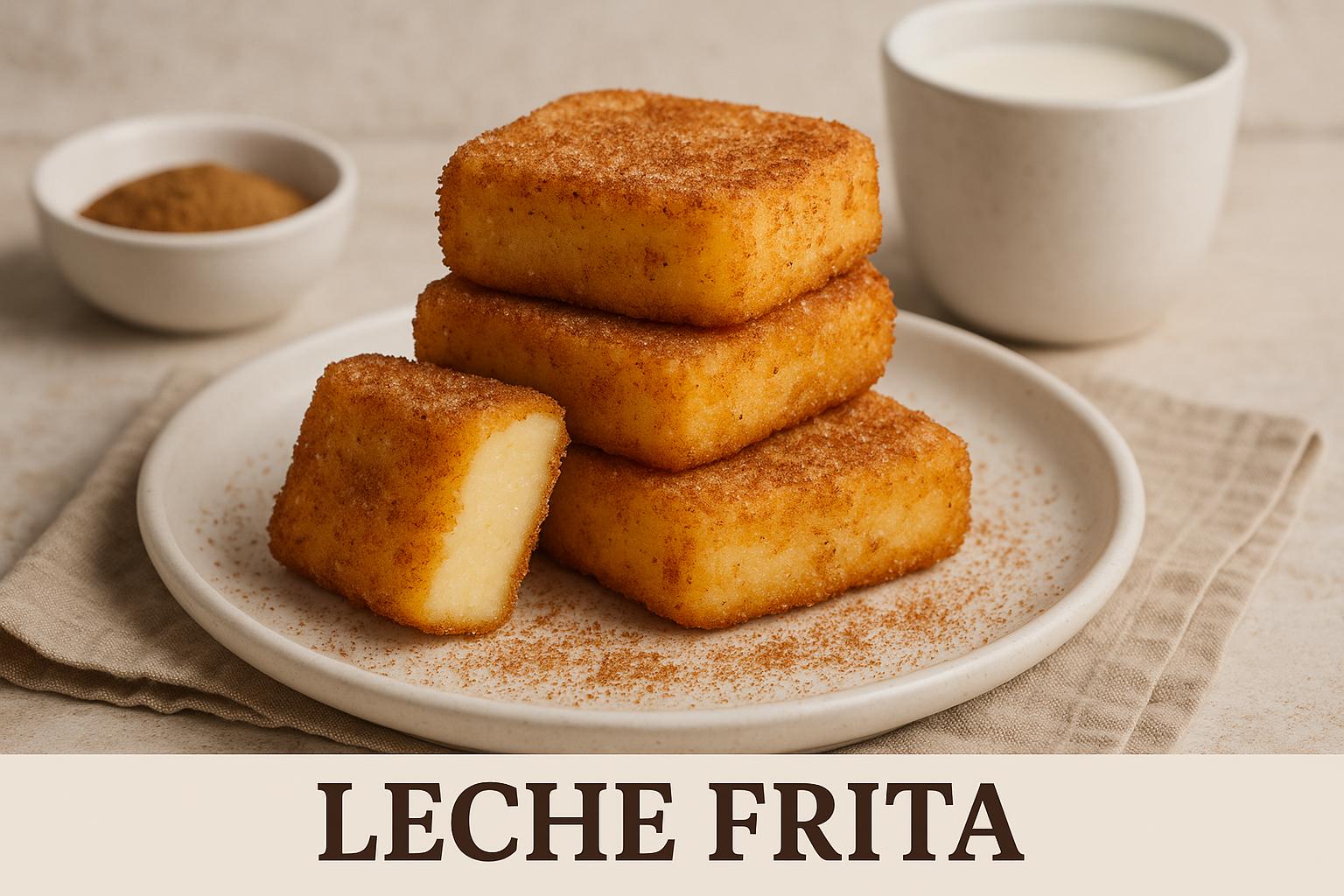
Leche frita, translated as “fried milk,” is a cherished Spanish dessert celebrated for its distinctive texture and exquisite taste. This culinary creation captivates both locals and visitors with its unique methodology despite its deceptively simple name. Although commonly associated with the northern regions of Spain, leche frita has been embraced by global palates due to its straightforward preparation and delectable outcome.
At its core, leche frita is an indulgent custard-like dish, which entails a process of thickening milk using flour and sugar, enhanced with a variety of seasonings. The mixture undergoes a transformation as it is fried, resulting in a dish that combines a satisfyingly crispy exterior with a lusciously creamy interior. Let us delve into the specifics of crafting this culinary wonder and explore the nuanced elements that contribute to its widespread appeal.
The creation of leche frita begins with humble ingredients, namely milk, flour, sugar, and a thickening agent, typically cornstarch or egg yolks. These components form the primary base of the dessert. However, what truly elevates the flavor profile of leche frita are the added seasonings.
Common flavorings include cinnamon, vanilla, or lemon zest, each of which imparts a unique character to the dish. The essential process unfolds as the milk mixture is heated and thickened, eventually poured into a mold where it sets. Once firm, this thickened milk is cut into either squares or rectangles, each piece ready for the subsequent frying stage.
Before frying, each piece receives a coating of flour and egg, a step that ensures a golden and crispy surface. The frying process is pivotal, as it transforms the soft and tender milk center into a delightfully rich and contrasting bite.
Leche frita boasts a versatility that encourages experimentation and creativity. Beyond the traditional flavors, adventurous cooks often incorporate anise, which lends a subtle licorice-like nuance to the dessert. Vanilla and lemon zest remain popular choices, each infusing the custard with an enticing aroma that enhances its appeal.
Traditionally served warm, leche frita is often dusted with a mixture of cinnamon and sugar. This classic garnish complements the dessert’s innate sweetness and enhances its flavor. Beyond this orthodox approach, leche frita may also be paired with sauces such as chocolate or caramel, offering a deeper richness and complexity.
The dessert’s adaptability extends to its presentation, as leche frita can be served alongside an array of accompaniments. These range from a drizzle of sweet sauces to more elaborate pairings like fruit compotes or dollops of whipped cream. Such additions allow one to tailor the dessert to various tastes and preferences, transforming a simple dish into a gourmet experience.
Rooted in tradition, leche frita is believed to have originated in the monasteries of Northern Spain. Nuns are thought to have crafted this dessert as a prudent means of utilizing excess milk, a reflection of the resourceful culinary practices synonymous with monastic life. This economical approach, rooted in innovative simplicity, eventually spread beyond the confines of religious institutions.
Gradually, leche frita found its place in Spanish homes, becoming a mainstay during special occasions and festive periods. It’s especially tied to the observance of Lent, a time of reflection and traditional foods in the Spanish calendar. Despite the waning of religious associations in modern contexts, leche frita endures as a beloved treat served at family gatherings and local festivals.
The enduring popularity of leche frita is a testament to its fond remembrance among generations, cherished not only as a dessert but as a cultural emblem that celebrates Spain’s rich culinary history.
With the evolution of culinary trends, leche frita has witnessed an array of modern interpretations and adaptations. Creative chefs have ventured beyond traditional confines, introducing new elements to the classic recipe. Ingredients like chocolate chips or fruit compotes add a fresh dimension, infusing the dessert with contemporary flair.
In addition to flavor enhancements, innovative serving techniques have emerged, combining leche frita with a variety of accompaniments. Pairings with ice cream or fresh fruits breathe new life into the dessert, transforming it into a dynamic fusion of textures and tastes that appeal to younger generations.
These modern adaptations serve not only to rejuvenate the classic image of leche frita but also to extend its reach to a diverse audience, fostering an appreciation for its timeless allure in an ever-changing culinary landscape.
Leche frita remains a culinary delight steeped in history and tradition, yet its adaptability ensures its place in the repertoire of modern desserts. To explore the intricacies of making leche frita, culinary enthusiasts may consult a variety of specialized blogs and websites dedicated to traditional Spanish gastronomy, where they can uncover detailed recipes and techniques to perfect this delightful dessert at home.